

Divination, Prediction and AI
Can AI hallucinate meaning for us? We hosted an evening exploring intersections between divination, predictive patterns and AI. A conversation with Kevin Walker, Bel Senlle, Beccy Mccray and Alexander Vezhnevets.
We know that today’s rapid technological advancement – comes with profound anxieties.
Sitting alongside these deep anxieties we also see a parallel human need for greater meaning, for connection and purpose. We know these deeper human qualities are beginning to erode or even vanish – especially in industries where efficiency, productivity, and profit dictate the cultural norm.
What does this mean for our next stage of technological and human progress? We believe this progress relies on our ability to integrate spiritual intelligence into design and innovation. Which brings us to tonight's conversation, where we'll explore future facing narratives – steeped in ancient practices – in the context of building more spiritually intelligent models.
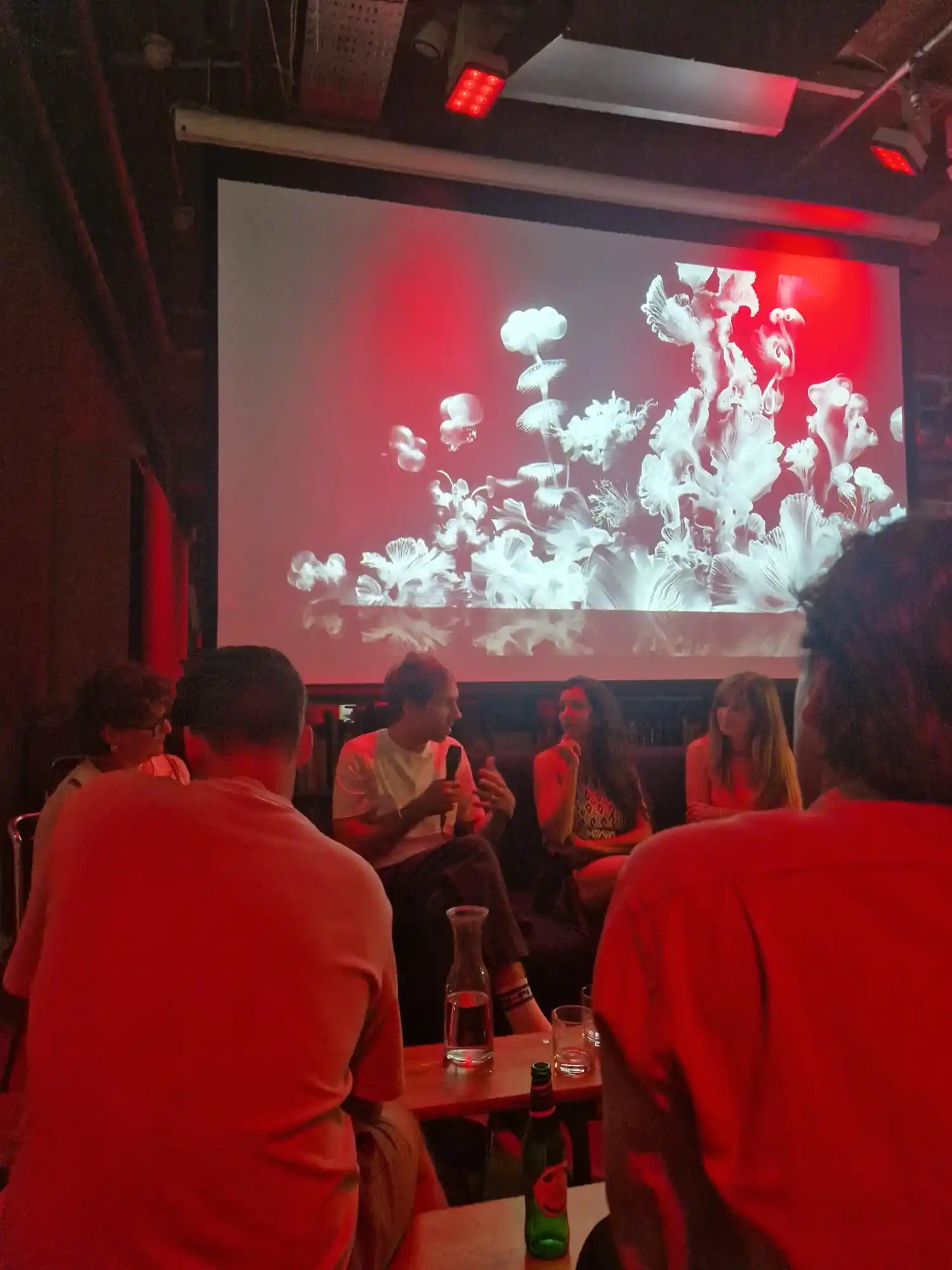
What are predictive patterns and how do the work?
How do predictive patterns work – what qualities do you think AI prediction models share with divination practice. What can AI models learn from divination practices and what might divination practice learn from computational prediction patterns?
How do divination practices make sense of a constellation of symbols?
Let's talk about data sets and the idea of relational intelligence. If we understand divination practice as a way to make sense of a constellation of symbols, I think we need to ask ourselves what signs and symbols we’re drawing from. When we talk about AI, how are we building data sets? How does relational intelligence come into play here – what forms of intelligence are we in relation to? How do we navigate human relationships with non-human values and behaviours?
Can we adopt spiritually aware principles when building future technology?
What does spiritual intelligence mean in this context. How can we adopt spiritually aware principles when building future technology? What spiritually intelligent principles do you think we can build on here? I’m thinking about values of care, the idea of being present, being guided by intuition and being in relation to the world. What would a spiritually intelligent model look and feel like?
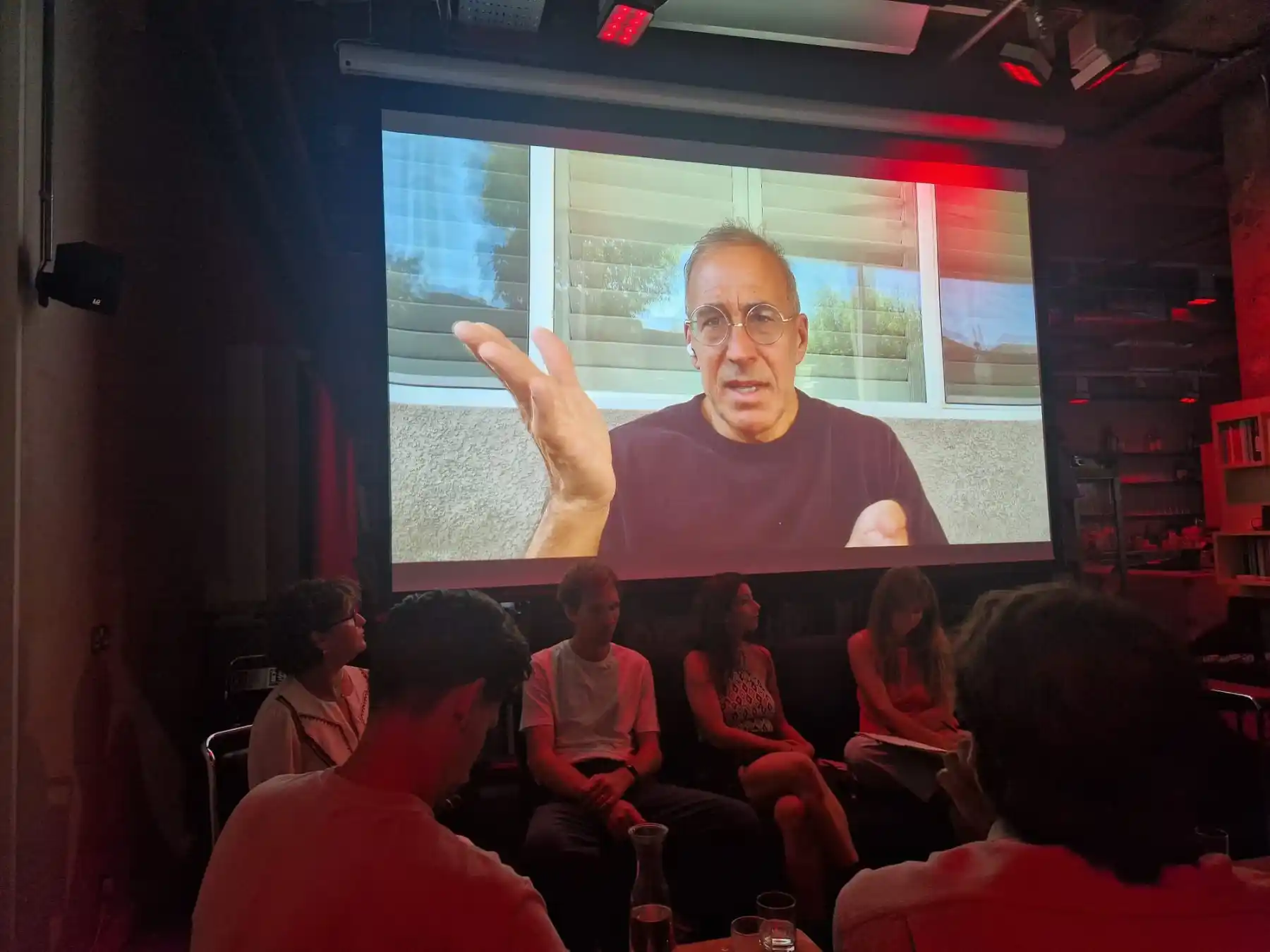
Our panel was made up of AI expert exploring prediction patterns, artist working with custom trained AI intuition mapping models and a Google DeepMind research scientist looking into divination practices. And yes. We also had a tarot reader.
Kevin Walker, AI Researcher
Kevin is a researcher and developer working across anthropology, technical development, and the arts. He has worked with companies, studios, and cultural institutions, and created award-winning commissions and exhibitions. Kevin is co-founder of startup Philosophy Machines, building new technologies and working with a wide range of collaborators. Previously he led and taught in Masters programs at the Royal College of Art, University of the Arts London, and University College London.
Bel Senlle, Tarot Reader
Bel is an Argentinian artist and tarot reader. Bel’s work focuses on making the invisible visible, using different mediums to explore the intersectionality between art and ritual, visual magic and interpretation. She is a resident practitioner and teacher at She's Lost Control & Bless Stories.
Beccy Mccray, Artist and Researcher
Beccy is a multidisciplinary artist and researcher working at the intersection of art, climate storytelling and social practice. Her work challenges dominant systems through acts of radical softness, ecological connection and collective imagination. She has partnered with institutions including RBG Kew, Greenpeace, the V&A Museum and Frequency Festival of Digital Culture.
Alexander Vezhnevets, Google DeepMind Research Scientist
Alexander is an AI research scientist and a meditator, currently working as staff research scientist at Google DeepMind. Throughout his career, Alexander has worked on computer vision, hierarchical reinforcement learning, multi-agent reinforcement learning and generative agent based modelling. Alexander’s current interests are multi-agent systems, social cognition, computational social construction and cultural evolution. He is also a meditator and a contemporary Vajrayana practitioner.
HUWD hosted the event at Reference.Point in London on 14 July 2025. Visuals by Connie Bakshi were on display.